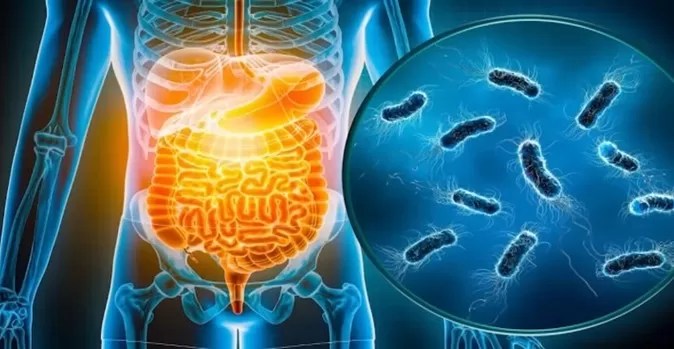
You’ve probably heard the phrase “trust your gut” and it turns out, there’s a lot of truth behind it. Beyond digestion, your gut plays a massive role in your overall health, especially when it comes to your immune system. In fact, about 70% of your immune cells reside in your gut, making it one of the most critical areas to support if you want to stay healthy and resilient.
Let’s break down the science behind gut health and explore how nurturing your digestive system can give your immune system a powerful boost.
What Is the Gut Microbiome?
Your gut is home to trillions of microorganisms—bacteria, fungi, and viruses—that form what scientists call the gut microbiome. This microscopic community is incredibly diverse and unique to you, much like a fingerprint.
A balanced microbiome helps with:
- Digesting food
- Absorbing nutrients
- Producing essential vitamins (like B12 and K)
- Regulating mood (yes, it influences your brain!)
- Supporting your immune defenses
On the flip side, when your gut is out of balance often called dysbiosis—your immune system can become overactive, leading to inflammation, fatigue, and even chronic disease.
🛡 How the Gut Supports Your Immune System
Here’s how your gut and immunity are closely connected:
1. Immune Cell Production
The gut lining is packed with immune cells that act like border control. They identify invaders (like viruses or harmful bacteria) and activate a response. A healthy gut trains these cells to respond appropriately without overreacting.
2. Barrier Protection
Your gut lining acts as a physical barrier between the outside world (everything you eat) and your bloodstream. When it’s strong, it keeps harmful substances out. If weakened (a condition known as “leaky gut”), toxins and bacteria can slip through, triggering inflammation.
3. Friendly Bacteria = Friendly Signals
Certain gut bacteria help “educate” your immune system to tell the difference between harmful invaders and safe substances (like food or pollen). When this communication breaks down, it can lead to allergies, autoimmunity, or chronic illness.
How to Support Gut Health Naturally
Want to give your gut and immune system a natural boost? Start with these science-backed habits:
1. Eat More Fiber-Rich Foods
Fiber feeds the good bacteria in your gut. Load up on vegetables, fruits, legumes, nuts, and whole grains.
2. Add Fermented Foods
Foods like yogurt, kefir, sauerkraut, kimchi, and miso contain live probiotics that support microbial diversity.
3. Limit Processed & Sugary Foods
Ultra-processed foods can feed harmful bacteria and promote inflammation. Keep them to a minimum for better gut balance.
4. Stay Hydrated
Water supports healthy digestion and the mucosal lining of your gut, which protects against harmful microbes.
5. Get Quality Sleep
Poor sleep throws off your gut bacteria. Aim for 7–9 hours of restful sleep to keep both your microbiome and immune system in sync.
6. Manage Stress
Chronic stress disrupts the gut-brain axis and can trigger symptoms like bloating, discomfort, or poor digestion. Practice deep breathing, meditation, or gentle movement daily.
Final Thoughts
Your gut does so much more than digest your meals it’s your body’s frontline defense system. By supporting a healthy microbiome, you’re also strengthening your immune response, reducing inflammation, and paving the way for long-term wellness.
At Vitala, we believe vitality starts from within and your gut is the perfect place to begin.
 Vitala